

It’s early autumn along Piccadilly, one of Londan’s most vibrant thoroughfares. Electric buses hum, mopeds dive across junctions, a Lamborghini glitters in the sunshine. And on the sidewalk, I weave between the tourists, following my usual route to Jermyn Street, where I can pretend to be a 19th century gentleman, in the market for a tailor-made suit, a beard trim and maybe shepherd’s pie for lunch. Then to Fortnum & Mason, where I guiltily buy a box of cherry Turkish delight. And lastly to Hatchards, London’s oldest bookshop, where the genteel folk of Mayfair have been edifying themselves since 1797.
It’s a beautiful store with many wood-paneled rooms, lined floor-to-ceiling with intellectual delights. In Hatchards time slows down just a little. It is a sanctuary for the bookish; nothing bad could ever happen here. One of the things that distinguishes it from London’s other bookshops is its stock of first editions. For me, the appeal of first edition hardbacks lies in their cover designs, rather than any sense of their rarity. The best covers evoke the sensibility and aesthetics of the time when they were published. I have a few, though I can hardly call myself a collector.
Surely no one still believes that artistic genius is some sort of divine blessing, given in isolation and untainted by such boring ideas as hard work and the critical evaluation of other artists.
Today, I scan the shelves, looking for my favorite writers: Iris Murdoch, Beryl Bainbridge, Ted Hughes. First editions resonate with a certain kind of power, a physical legacy of creative genius. As a writer, I find that power both inspiring and intimidating. Whatever one’s creative pursuit, those great artists that first influenced us to try to make something, can become overbearing. Without ambition one will not last long in any creative endeavor, but ambition to equal one’s heroes can be equally crippling.
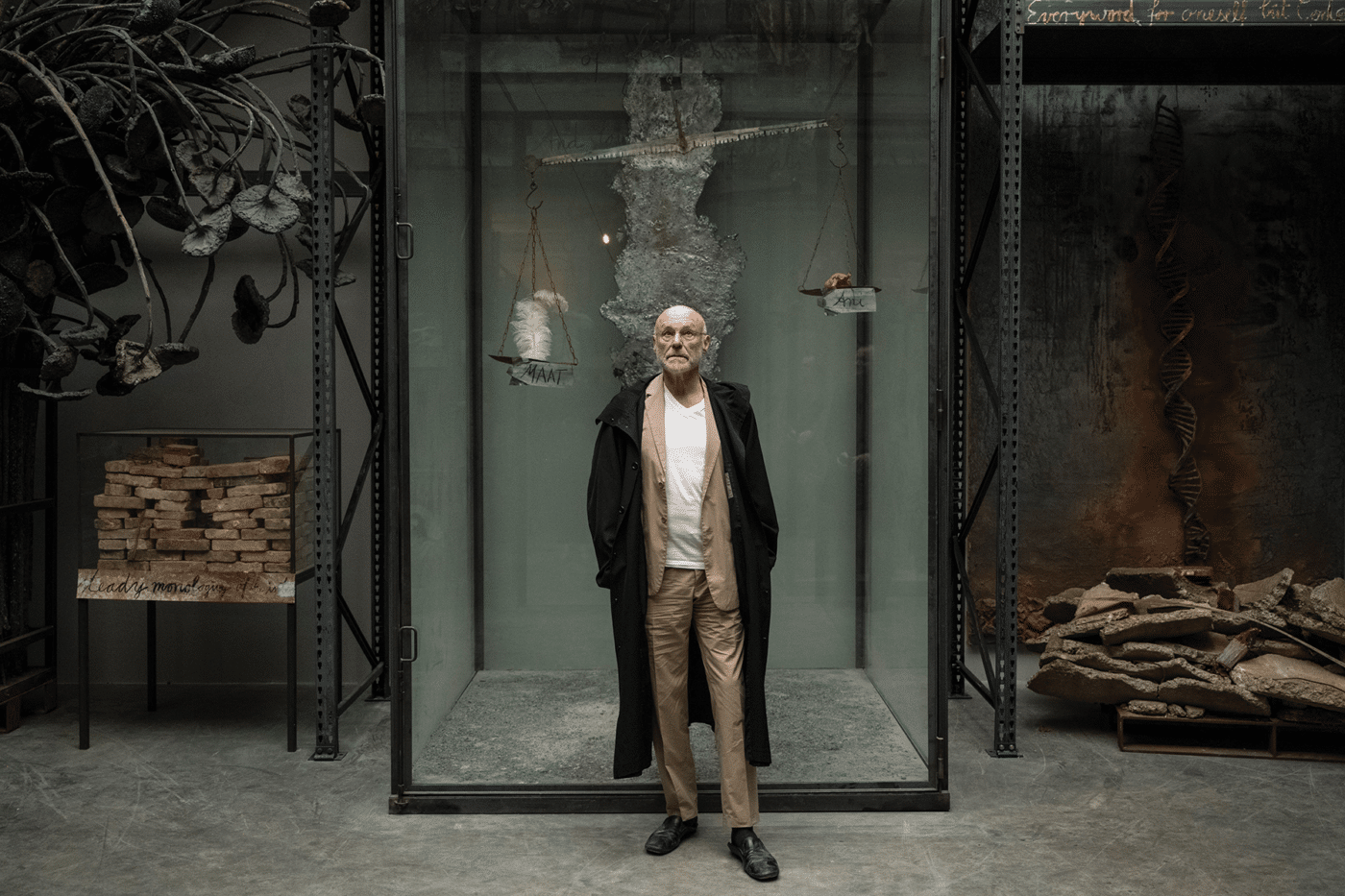
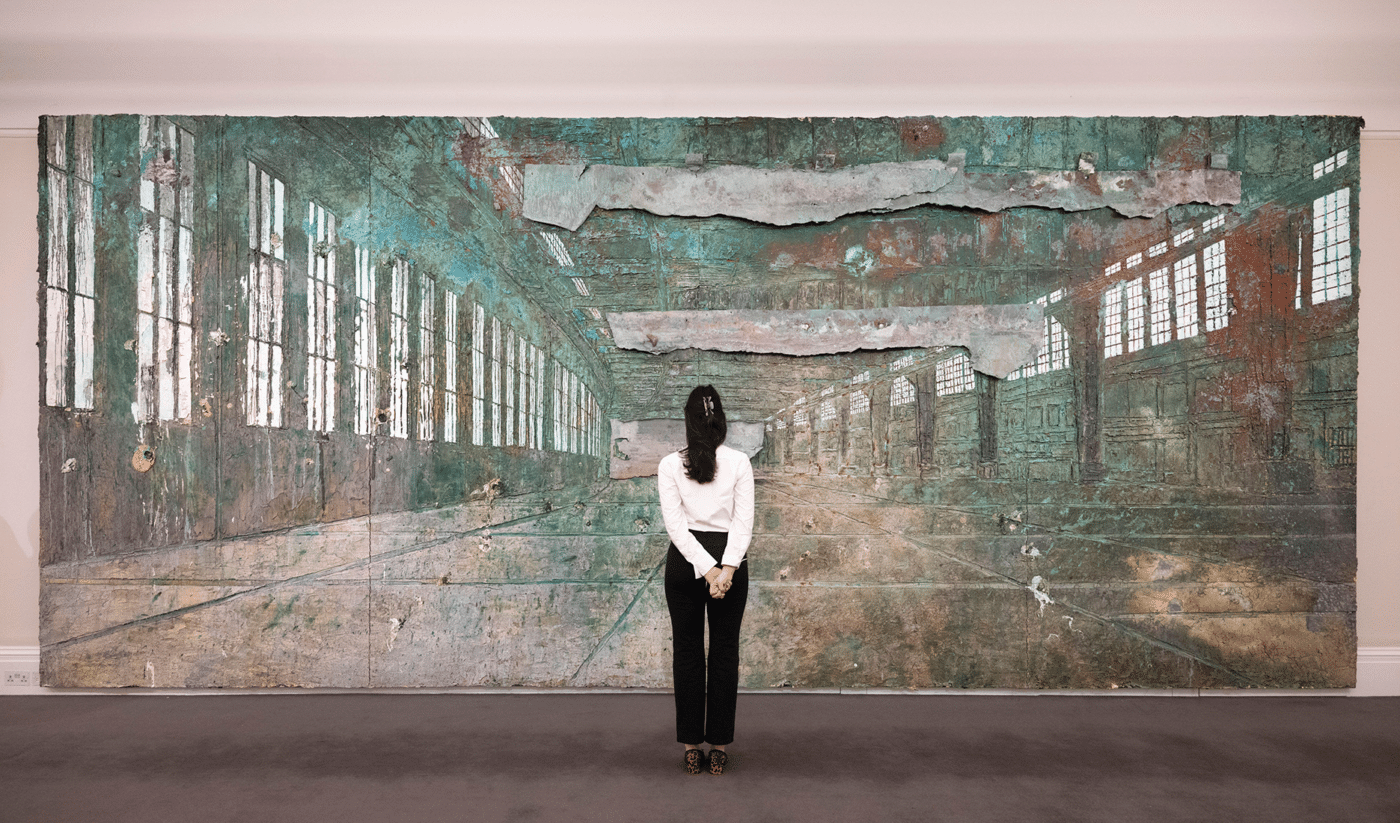
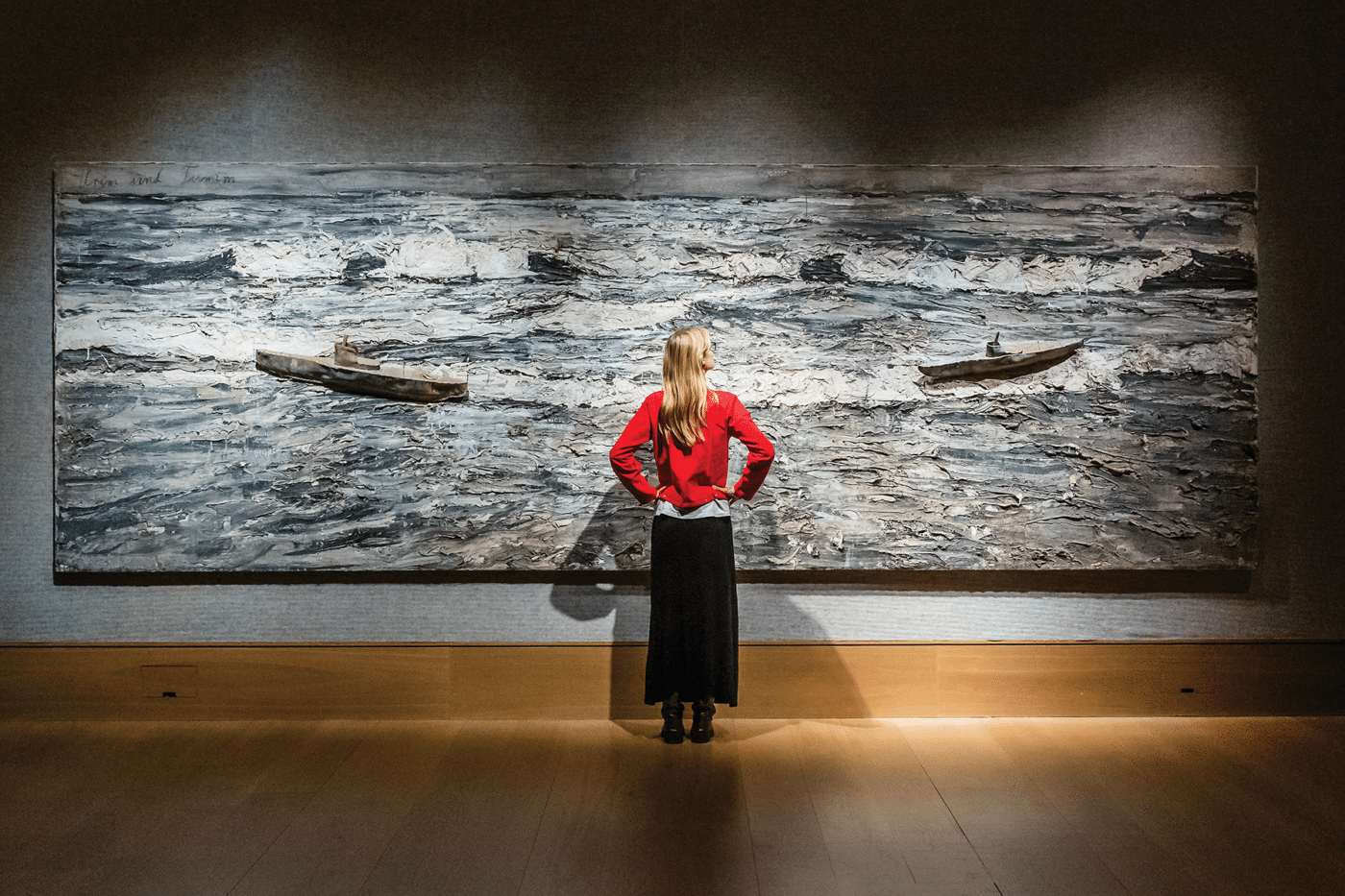
Across the street from Hatchards is the Royal Academy of Arts, whose lead exhibition this summer has been Kiefer / van Gogh. I cross the sunlit courtyard, buy a ticket and climb the wide marble staircase to the galleries. Anselm Kiefer was born in Germany in the spring of 1945; his work has predominantly reckoned with the darker side of his country’s culture, with Nazism and World War II atrocities as a central theme. His paintings and sculptures have sometimes been provocative in their imagery, reminding us not to forget. When he was 24, Kiefer found his father’s Wehrmacht uniform. He embarked on a journey across Europe, an art project in which he gave Nazi salutes in various countries while wearing the uniform. The photographs of these salutes were recently displayed in an exhibition of his early work at the Ashmolean Museum in Oxford.
GET THE FULL STORY HERE


