


Having been a British mountain biker from the dawn of indexed gears I have never shied away from riding in inclement weather, so indoor trainers haven’t played a part in my cycling timeline—until now.
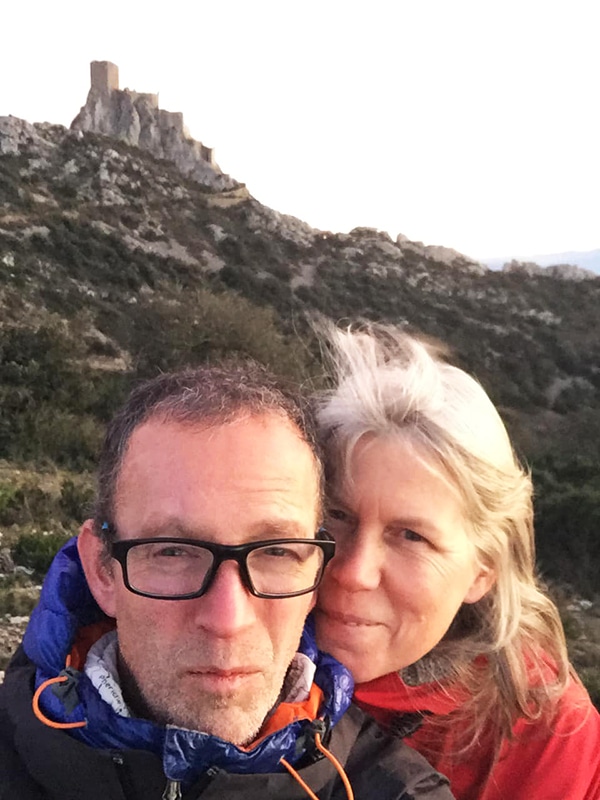
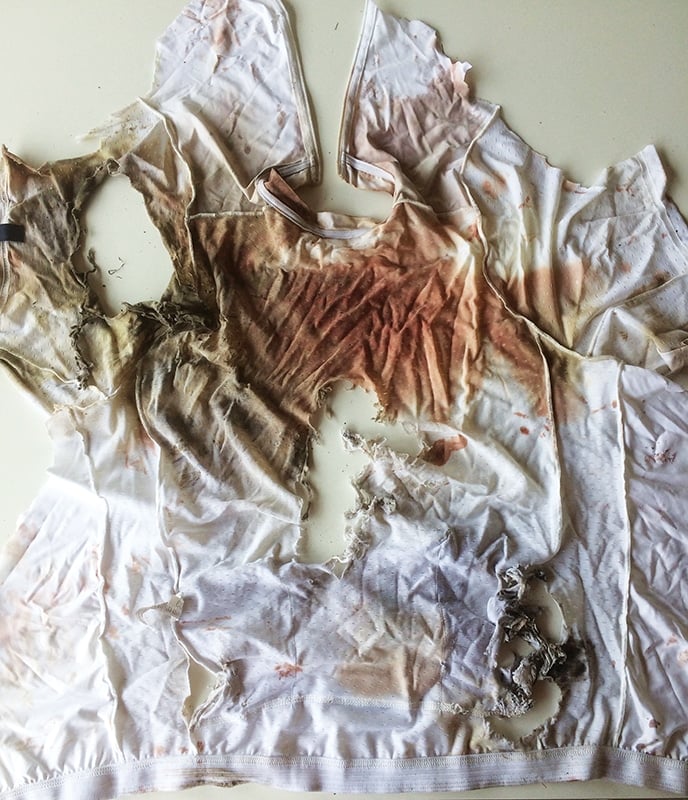
For those I haven’t blabbed on to about my life-changing accident, long story short: I went under a car on a local col at the end of a day’s ride that resulted in a two-month coma and a year in hospitals. Severe brain injuries, along with balance and mobility issues, mean I won’t ride a bike free again—hence the starting of my age of static cycling on pedals that go nowhere.
Statistically speaking, I shouldn’t be able to turn any pedals at all. Or indeed, I shouldn’t be able to breathe, see, think, walk, talk or blab on about anything to anyone. And so it plays out that as dull and static as a bike trainer ride is, it is about the most liberating experience I now have.
My soul felt smashed to bits. Broken. Lost. And she pointed me to Kintsugi, the Japanese art of repair.
I remember a kindhearted hospital orderly noting I was a cyclist and nicknaming me Chris Froome before wheeling me off to a storeroom with boxes piled up around an old exercise bike in the corner, and then hastily clearing a space for me to be lifted onto the saddle by an aide to make me feel at home while hospitalized in a foreign country. It was just weeks after coming out of the coma and I was still very confused, disorientated and, as yet, hadn’t learned to walk again. I sat on the saddle and promptly started crying as I fell off the bike into the aide’s thankfully waiting arms. It was still unknown if I’d ever be out of a chair; and while cycling had been my life, that life now felt like it was somebody else’s.
Three months later, in the second hospital, most mornings I could be found slowly turning pedals on a static bike in their gym alongside a lady who used a hand-cranked trainer from her wheelchair. She’d ask me where I was cycling? And I’d respond with one fondly remembered alpine col or other, and ask her how her native Parisian streets were today? We shared an unspoken bond through our desperate regeneration. I wonder sometimes if she ever returned to her Paris, as I had longed to return to my hometown London, while confined in a hospital a thousand miles away from it.
Early on, there was a vague dream of riding free again, to the extent that one day a kind and uplifting message from Belgian legend Philippe Gilbert saying he would join me on my first post-accident ride sent waves of hope and a kind of surreal belief into the mix while I was still relearning to walk. But as time passed and recovery plateaued, it became clear that pedals wouldn’t take me over mountains anymore. And that kind of hurt.
BUY ISSUE 001


