

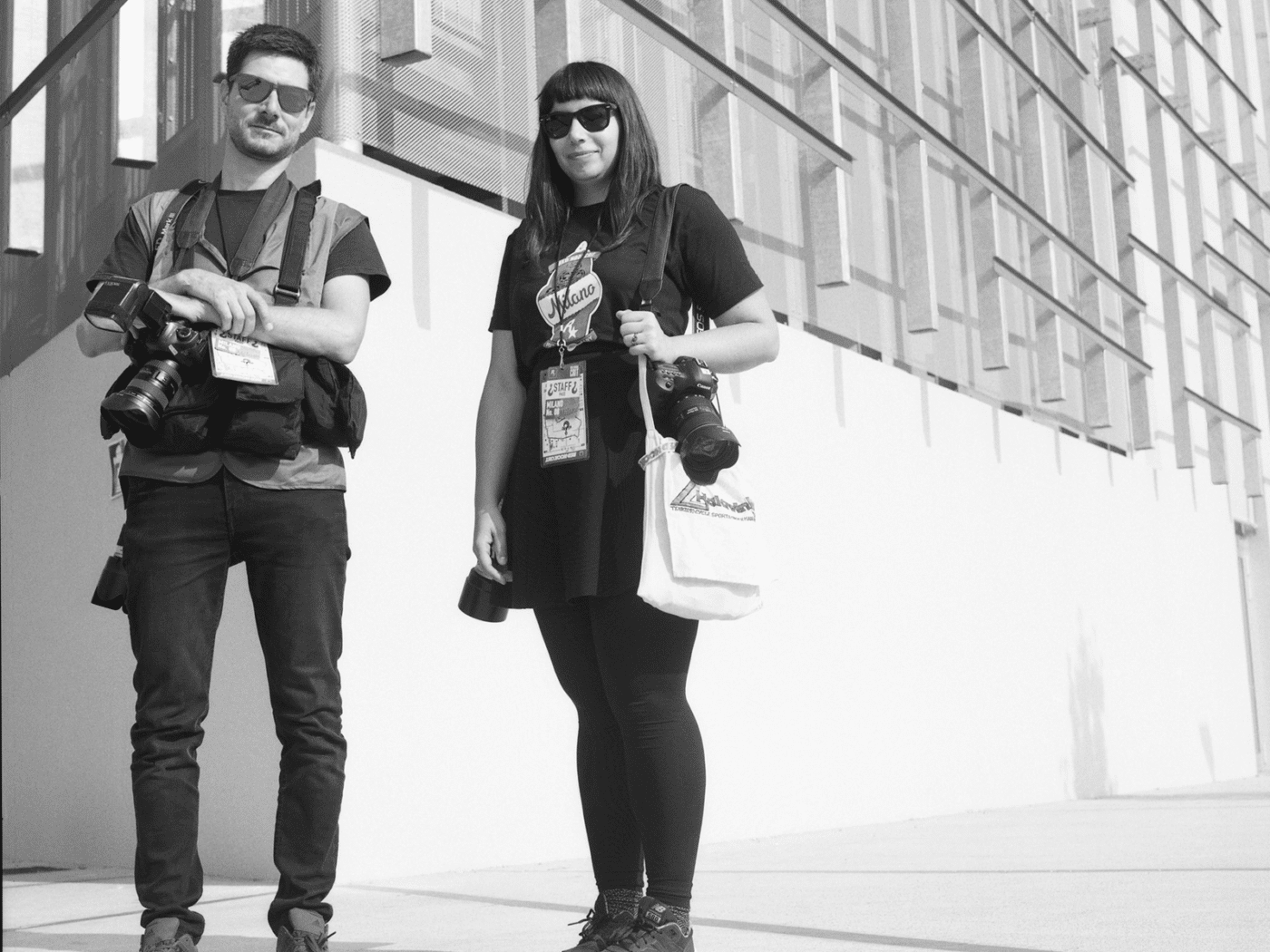
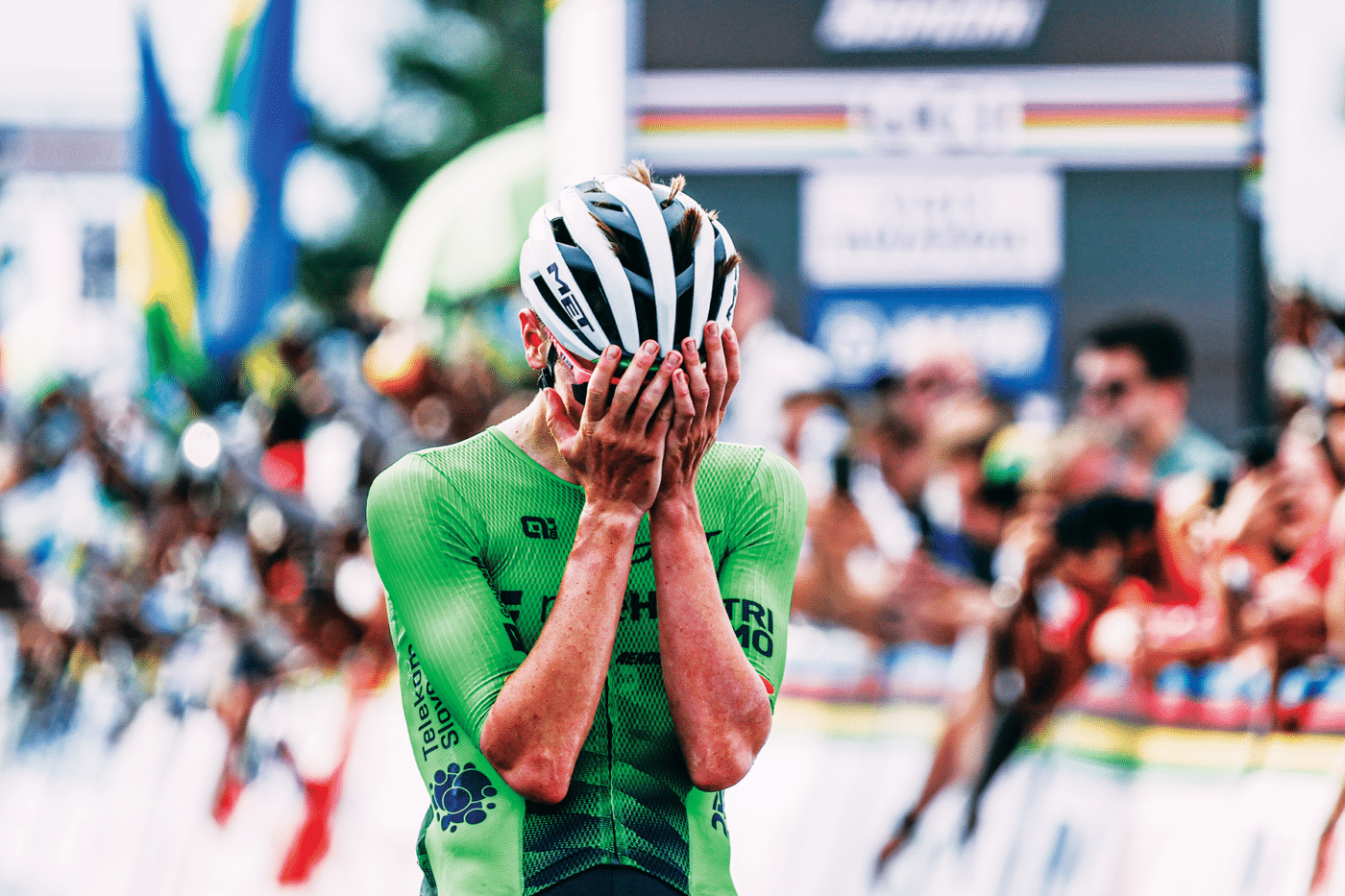
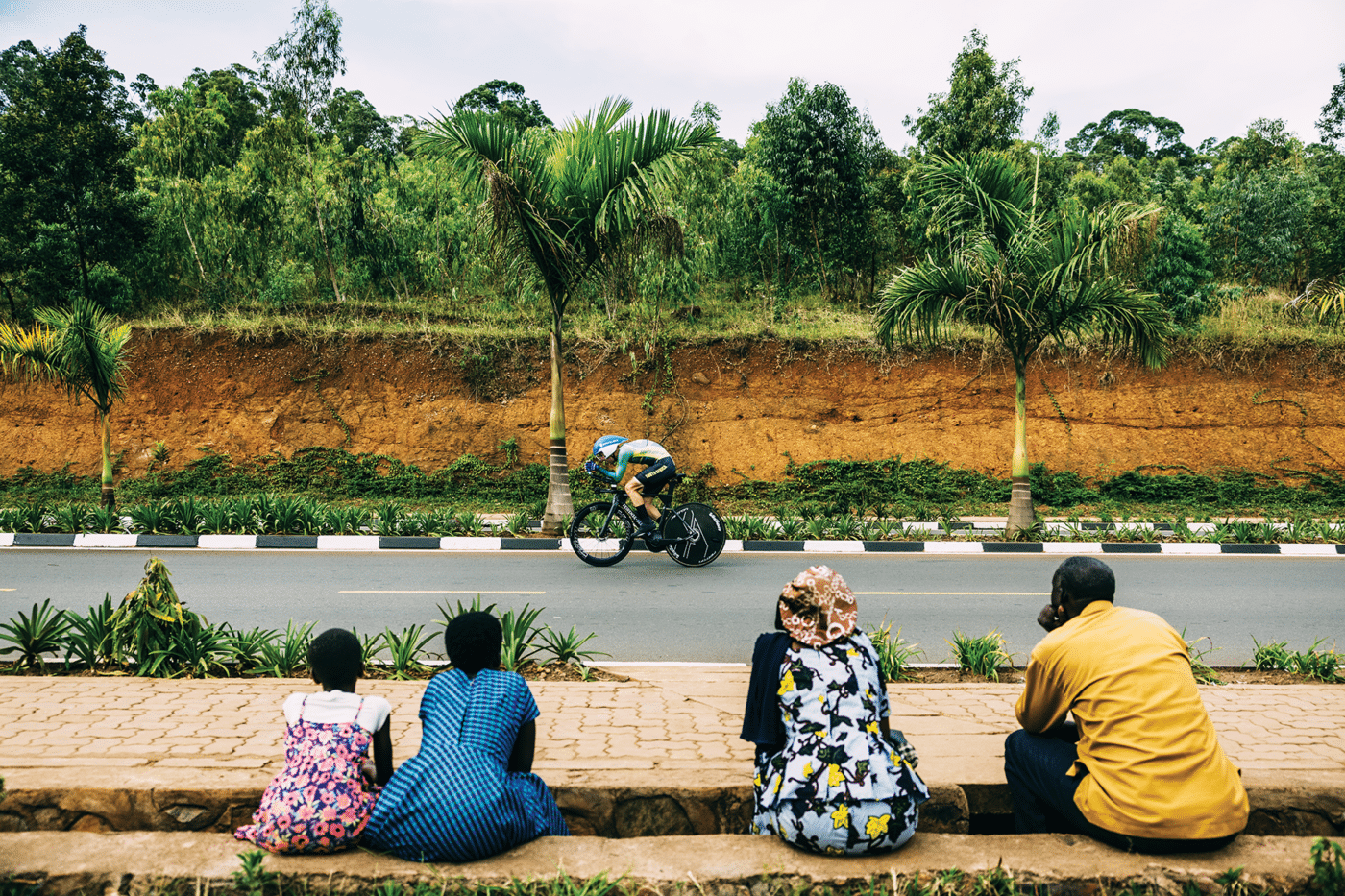
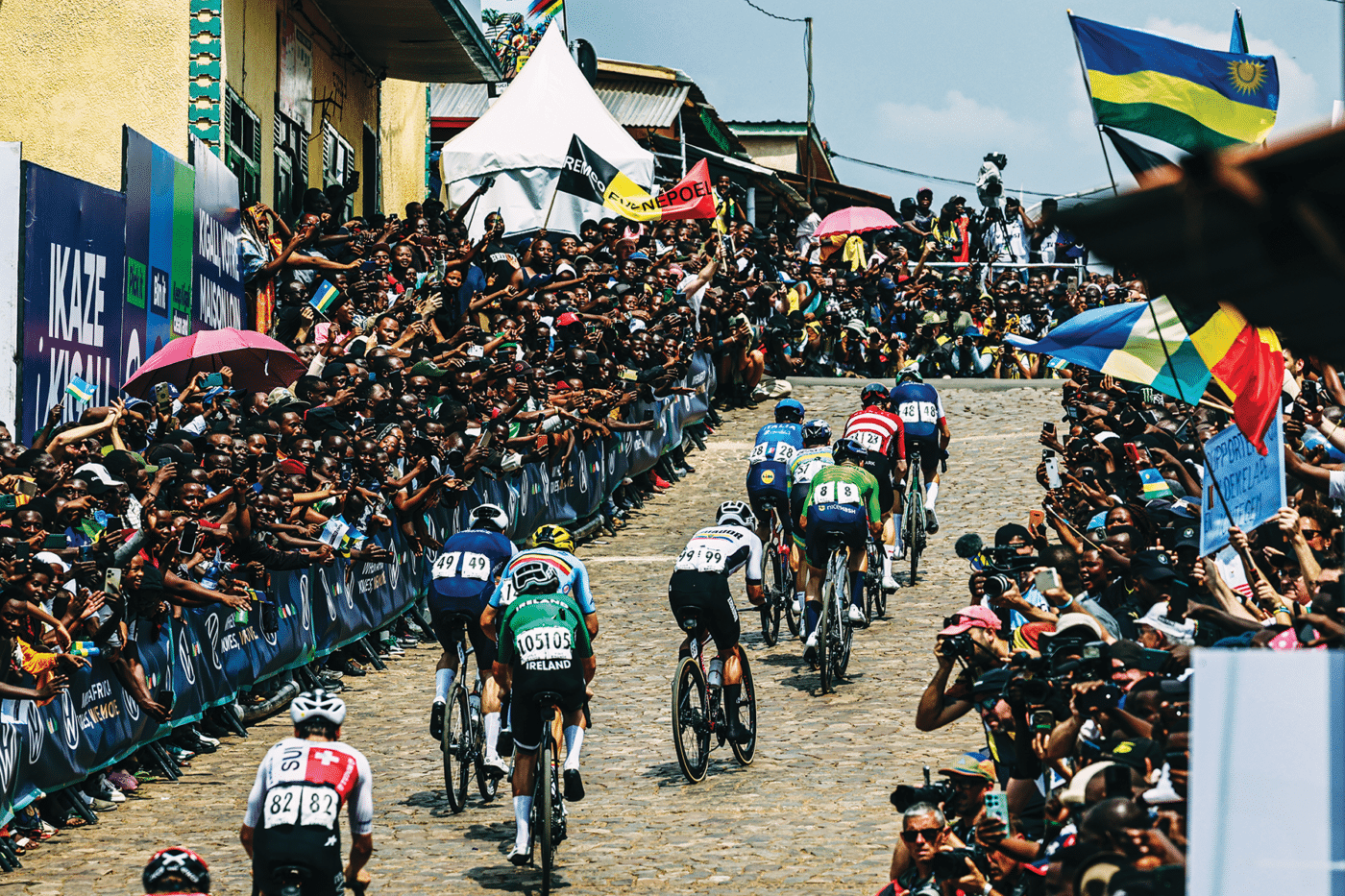
To get a different perspective on this year’s world road championships in Kigali, Rwanda, we asked Italian photographers Francesco Rachello and Eloise Mavian about their trip to East Africa, the championship races and the images they were able to create. You may remember the cover shot from the premiere issue of Fausto that was shot by Eloise, so we knew we would love the images by the two shooters from the Tornanti photo agency.
It seems like the Rwanda event was extraordinary in so many ways: the course, the time spent in the country…. What were your impressions of the races, the fans and the country?
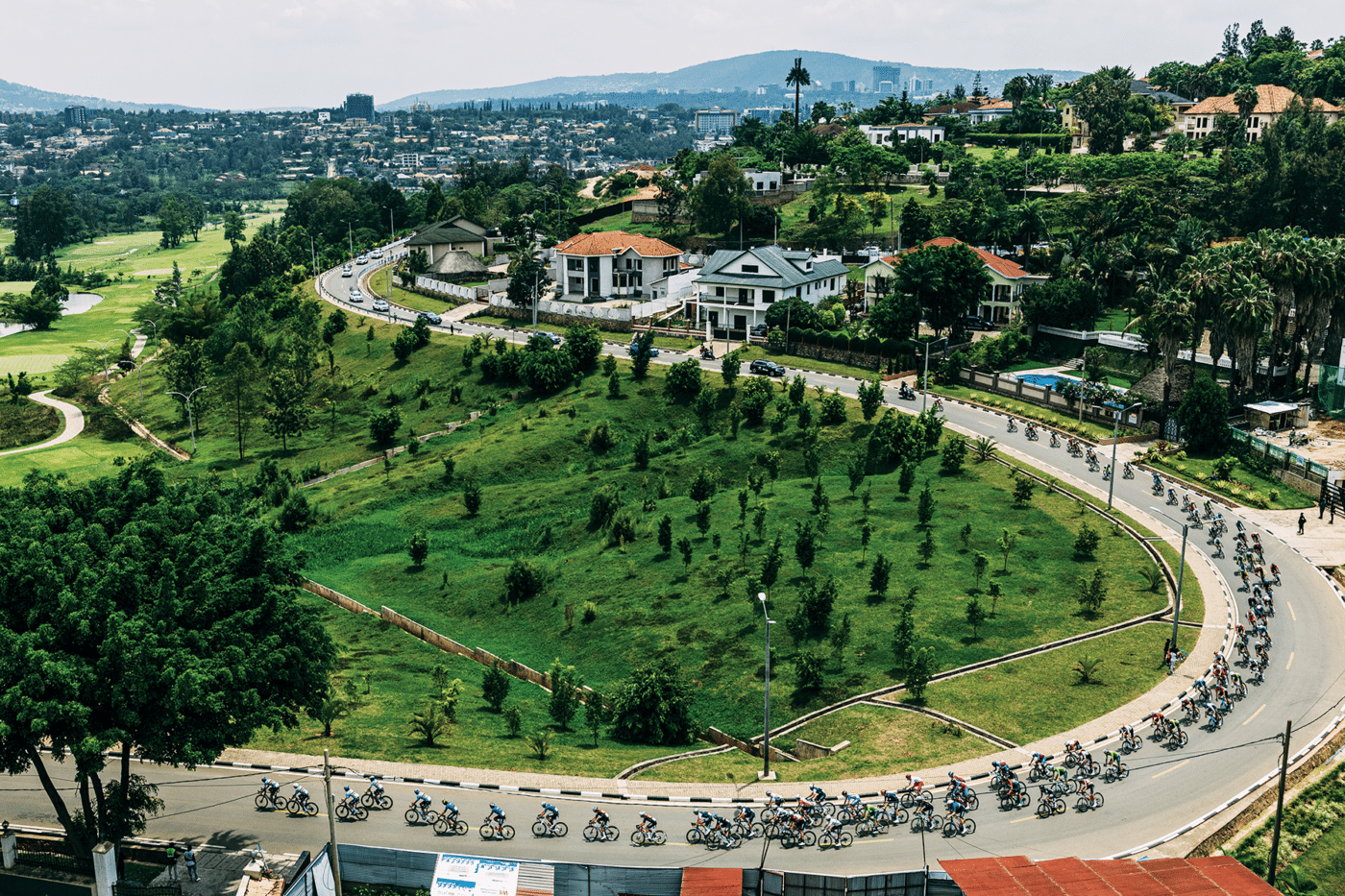
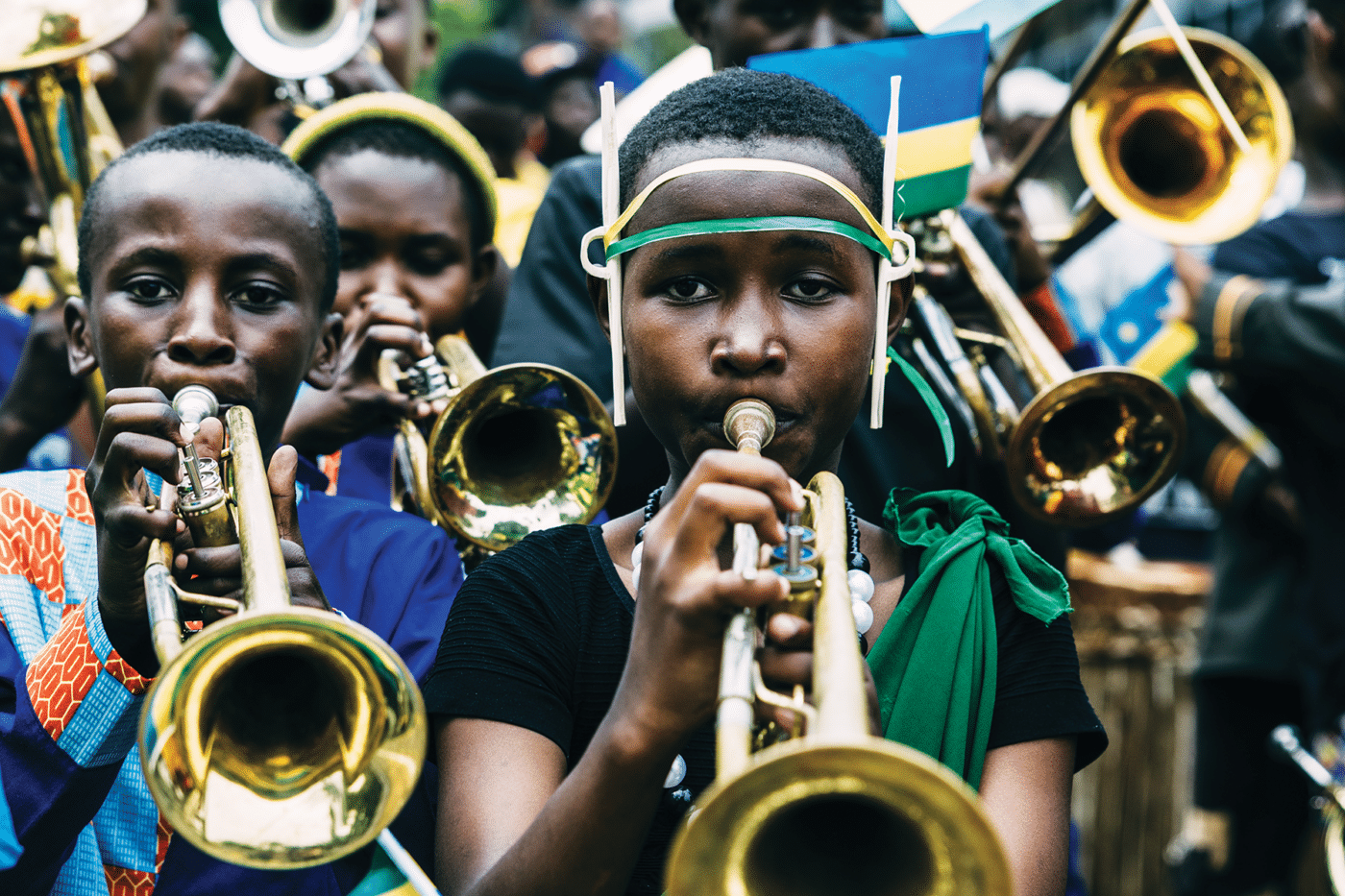
Eloise: I think I can speak for everyone when I say that the country was unexpectedly clean—as spotless as the Netherlands! It was truly impressive to see. The landscapes we saw were very nice: hilly and green in contrast with the red sand. Rwanda felt like a very safe place to be, but it was also the first time I saw so many controls and military along the road. The people were incredibly kind, open and just as curious about us as we were about them. The atmosphere around the races was amazing; the crowds were engaging, some watching the action while others played drums and trombones, getting everyone to dance. The kids were cheering for the riders and in between they played and interacted with each other—no phones in sight. It was a refreshing sight, a reminder of a simpler time, almost like being back in the ’90s before smartphones took over our lives.
Francesco: Visiting Africa for the first time for me was great, even if the experience was mostly limited to the parts of Kigali where the racecourse was passing. Keeping control over what international spectators were allowed to see on TV was probably a deliberate choice for reasons of safety, logistics and perhaps more. The start and finish of almost all races were in an area with mostly hotels, offices, shops and restaurants; not many local people live there. It’s the cleanest, most “westernized” part of town…and so was the Kimihurura cobbled climb. Having said that, it was obvious you were not in a western town because of all the walls and gates that protect most buildings, often with a guard in a sentry box.
We felt safe from theft and street violence in Kigali, but it took me a while to get used to the blank stares of the numerous armed soldiers stationed along the final kilometers of the circuit. In the area near the finish line and at the entrances of hotels and restaurants, it was also very common to be checked with fixed or handheld metal detectors. I imagine this is another price to pay for security. Another striking aspect was the almost total absence of elderly people, a consequence of the country’s [genocide] history. The soldiers along the roads, for example, were all very young.
GET THE FULL INTERVIEW AND IMAGERY


