

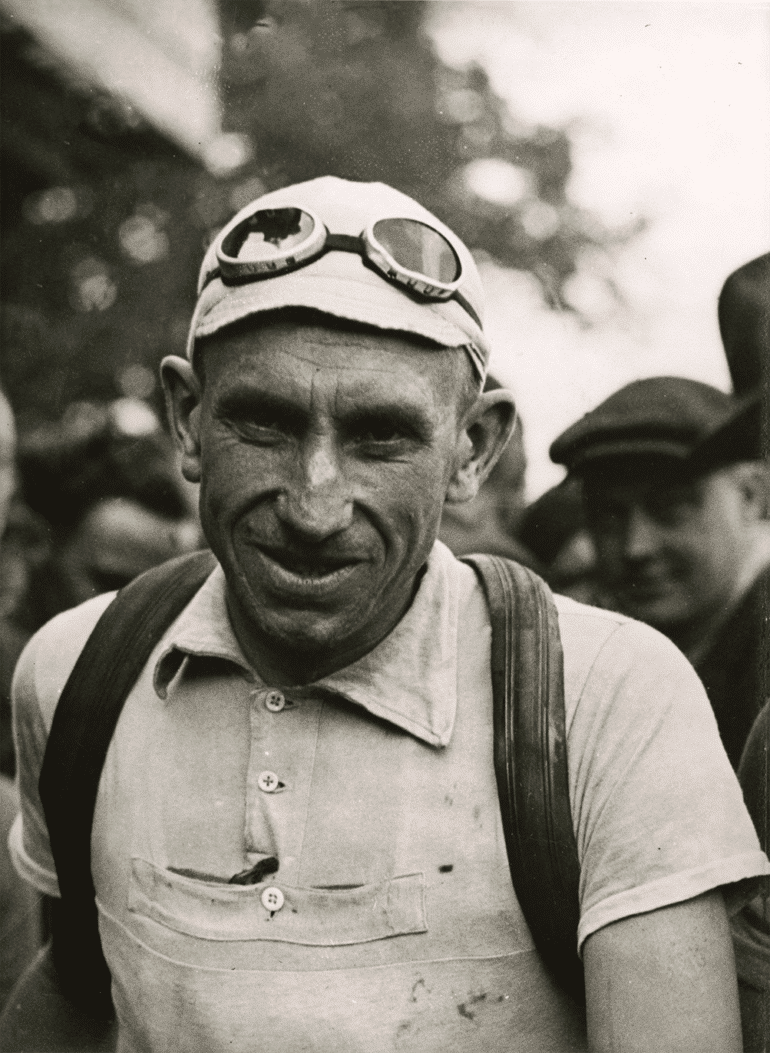
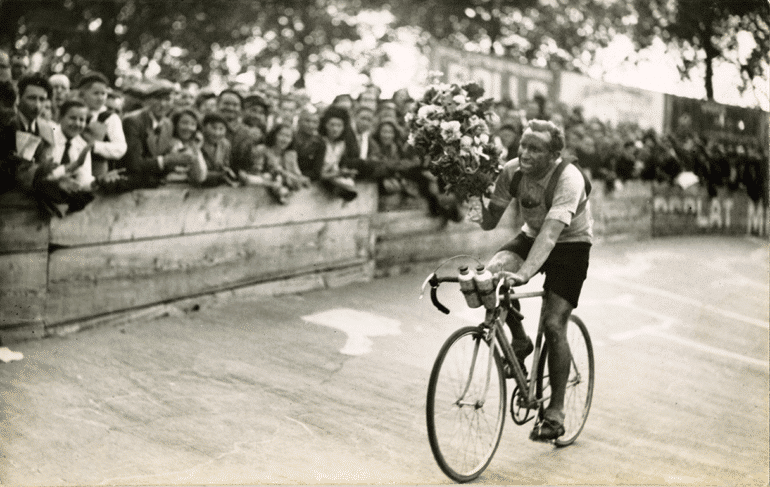

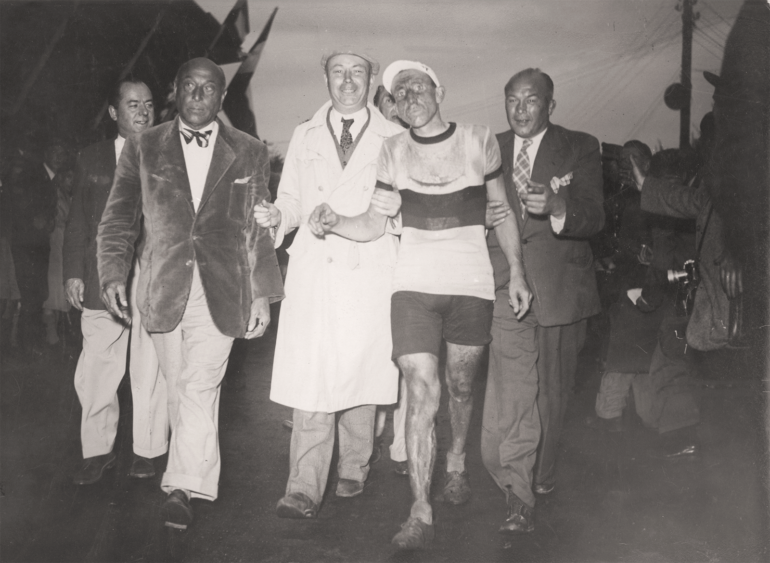
His father was a hardman with an unbreakable, beastly work ethic, a farmer whose lot in life was black and white, absolute. Escapist dreams occupied no place whatsoever in his thoughts. The rich Belgian soil provided enough to get by, and that was enough for him.
“A farmer is always a farmer,” he’d say. It’s a Belgian adage that indicates both unwavering character and inescapable destiny. His son, Alberic Schotte, imagined more. For him there was a place for dreams, possibilities and freedom beyond the unremarkable life his father accepted.
Like everyone who has ever fallen in love with cycling, that unmistakable feeling of freedom liberated him from the first moments he spent riding a bike. He was self-taught—there was no tender moment when the proud papa pushed his son forward to balance on his own. No, his moment happened quietly, secretly, with no one cheering, and with the iron will that would ultimately make him a sports legend.
“Briek”—as he was known—got his first bicycle at age 14. It was a commuter machine, with a straight handlebar and single gear. The fact that he had it at all was a near miracle because the family already owned a bike, a possession his father viewed as an unnecessary luxury. For Briek, the simple commuter vélo became an imaginary race bike on weekends when he and his buddies rode home from races they’d just watched. They would reenact the race of the day, and Briek was always setting a punishing tempo at the front or riding away from the group, imagining himself as the heroic solo cyclist escaping the peloton en route to victory.
To his father, school was another frivolous waste of time. So Briek quit school that same year and took work at a local factory. Though most of the money he earned went toward his family’s expenses, he was able to squirrel away a little cash. He wanted a proper race bike.
THE FULL STORY IN PRINT


