

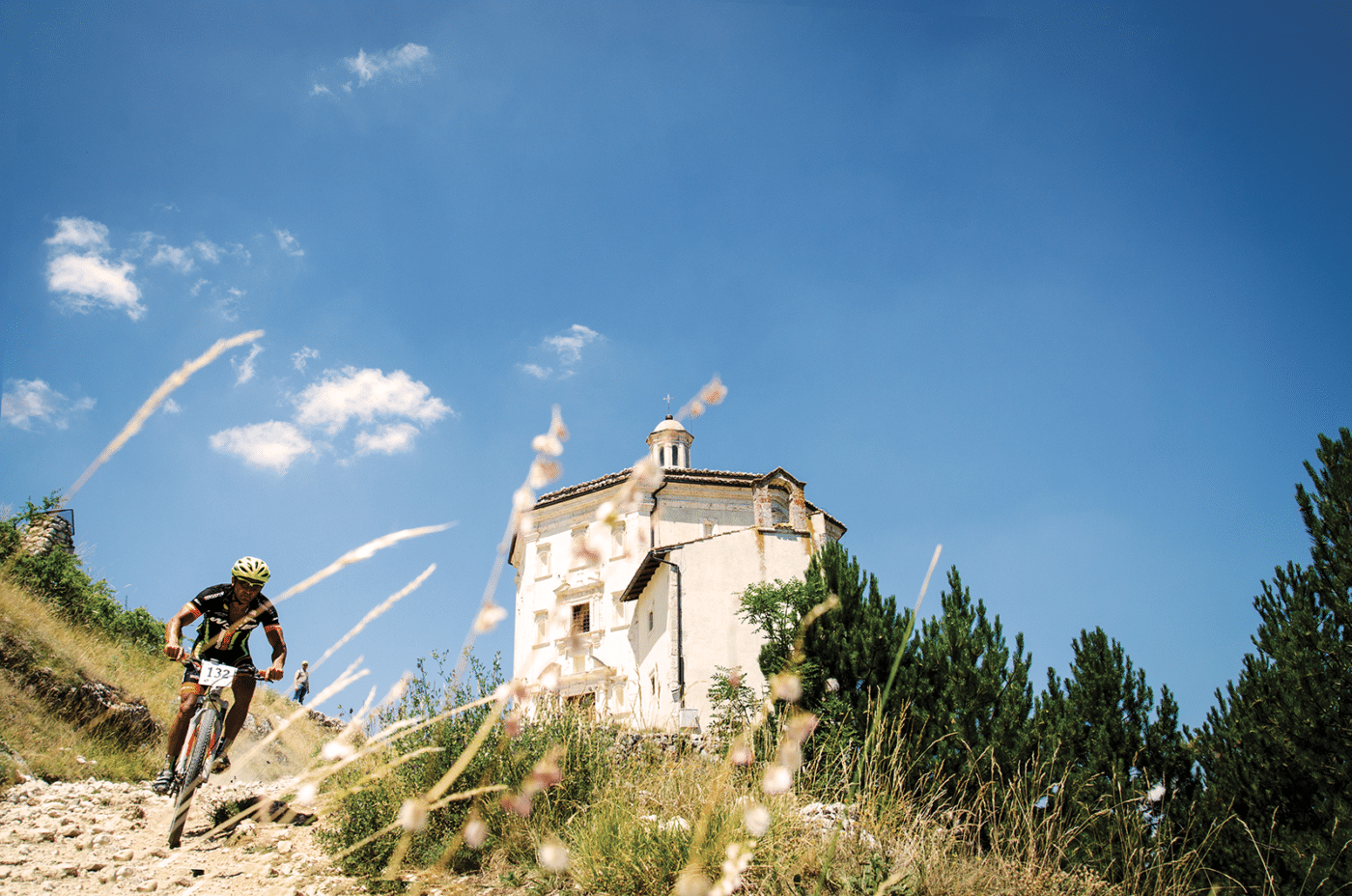
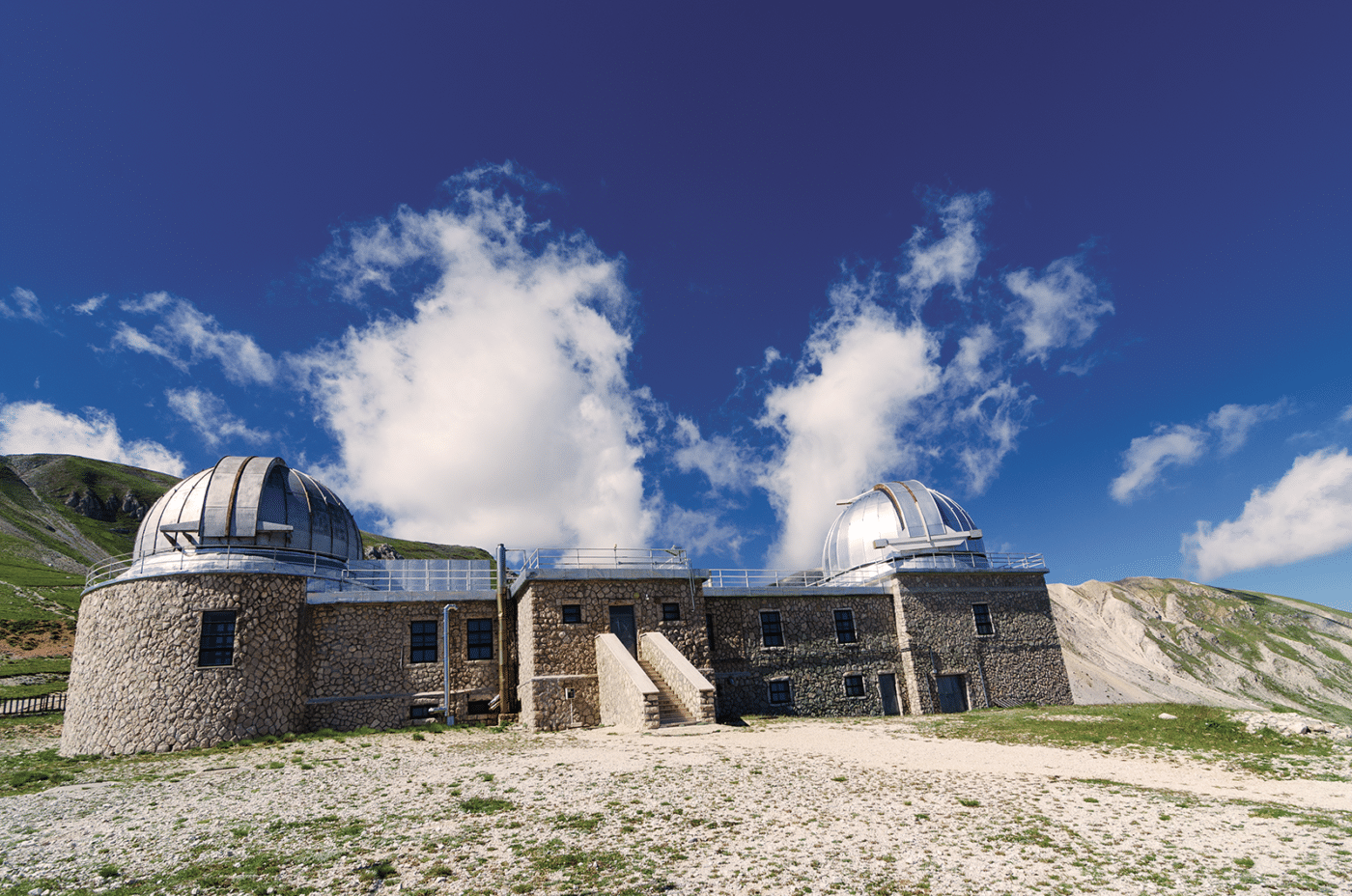
Abruzzo is a wild, beautiful land, reminiscent of Italy in the 1960s: slow journeys, unhurried roads, authentic encounters. The region is perfect for cycling and trekking, and for those seeking peace, beauty and a genuine connection with places and people. It’s a land that escapes logic and asks to be felt rather than explained. Abruzzo is part of L’Aquila, a province in central Italy, which includes the Gran Sasso d’Italia mountain range, just over two hours from Rome.
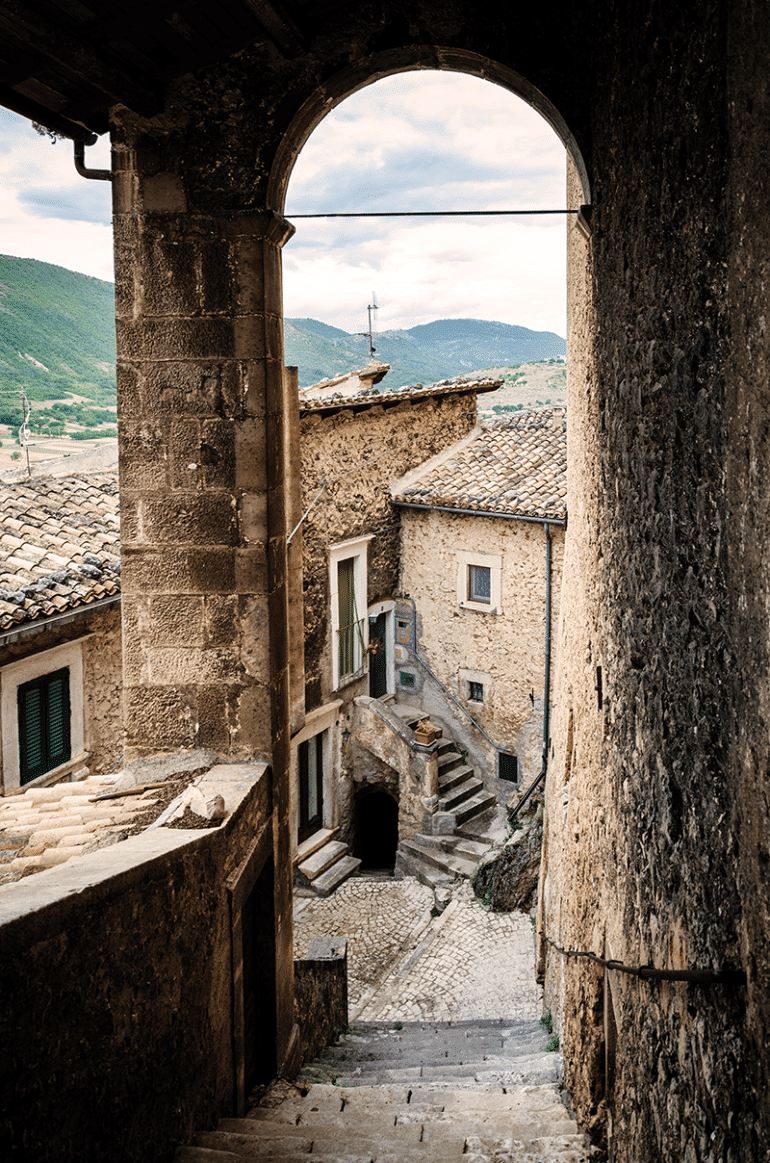
Here, among severe, rock-faced mountains and deep silences, sit dramatic hill towns, many of which are included in the official circuit of “The Most Beautiful Villages in Italy.” One is the village of Santo Stefano di Sessanio, population 102. Its name comes from Sextantio, a small Roman settlement located near the present-day village. Santo Stefano developed during the Middle Ages and lived through centuries of history until the unification of Italy, when the ancient practice of transhumance came to an end. From that moment, the village slowly declined. Emigration emptied its houses, and the population was drastically reduced.
Then, in 1994, everything changed. An entrepreneur Daniele Kihlgren, a Milanese with Swedish roots, purchased much of the village with a radical idea: to create an albergo diffuso, a hotel whose guest rooms are scattered around the town in restored stone houses. Through a careful project of conservative restoration, focused on preserving the landscape, traditions and architecture, Santo Stefano drew national and international attention, reviving the local economy. Not even the 2009 L’Aquila earthquake managed to break the village’s resilience—even though some of its historic buildings collapsed.
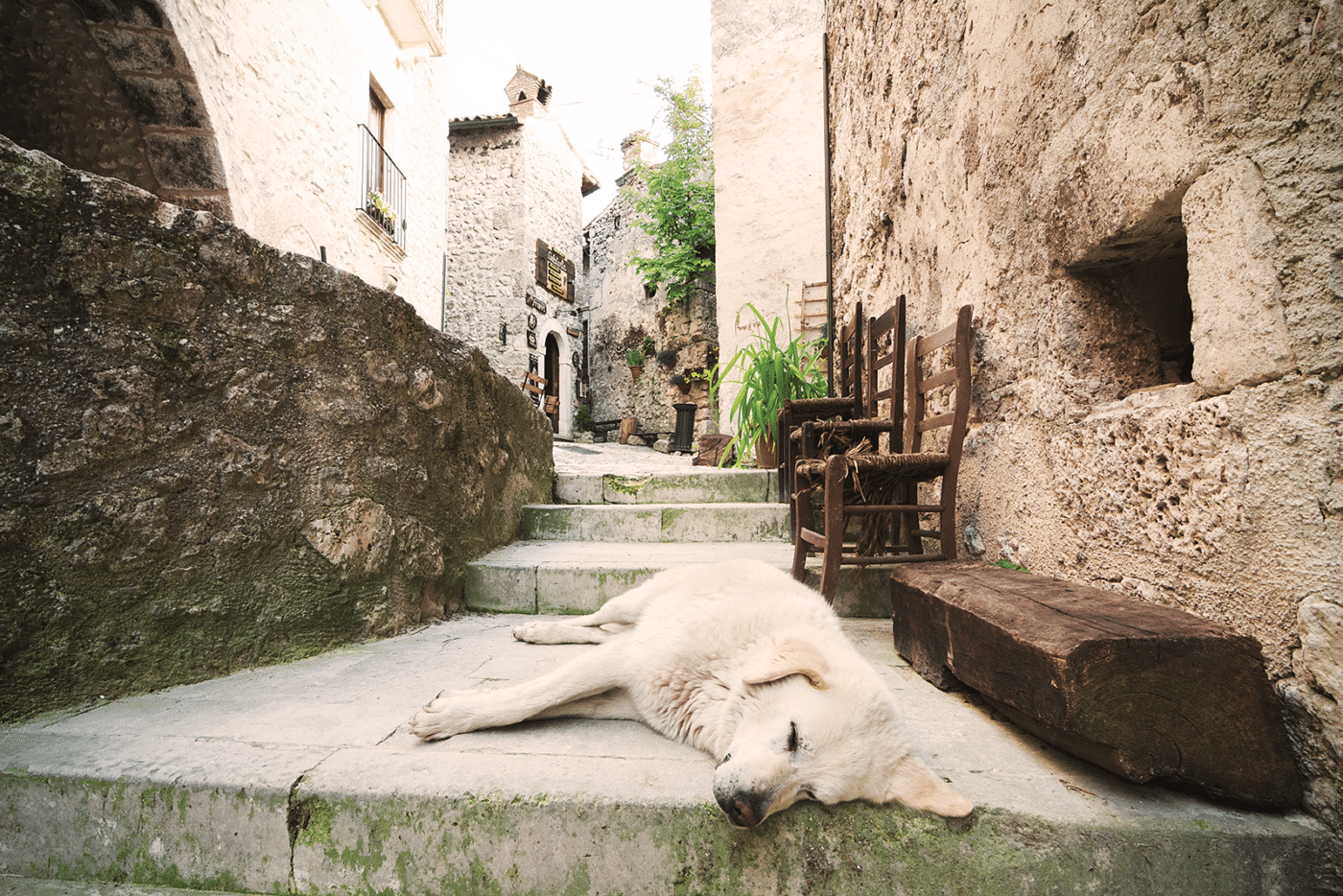
Today, walking through its streets, you sense a quiet rebirth, a slow, conscious way of life made of open doors, genuine relationships and a strong sense of community. Children still play outdoors. People stop to talk. Time feels human again. The food in its attractive ristoranti is honest, deeply rooted. Arrosticini di pecora abruzzesi and lentils are not tourist attractions, but everyday rituals, shared gestures. Here, food becomes memory, belonging, storytelling. Santo Stefano di Sessanio is not a picture postcard. It’s a place that’s lived in, and it teaches you to slow down.
GET THE FULL STORY IN PRINT


