

I’d never heard of Yvette Horner before I made my first trip across the English Channel in June of 1963. I was on my bike, saddlebag filled with stuff that a bikepacker would carry today, planning to watch the Tour de France for the next two weeks. After camping near Le Touquet, I took back roads to intercept stage 4 of Le Tour, midway between Roubaix and Rouen. I sat on a grassy bank, munching a sandwich, alongside families enjoying picnics on the sunny afternoon.
We could hear the Tour coming long before the first police motorcycles appeared down the long empty highway. Yes, it was the klaxon-blazing publicity caravan—something I also knew nothing about. So, I was taken aback when leading one of the sponsor’s parades was a Citroën DS blasting amplified strains of accordion music. And it wasn’t canned. Sitting atop the car’s roof was a live musician, playing her accordion as if she were at a concert.
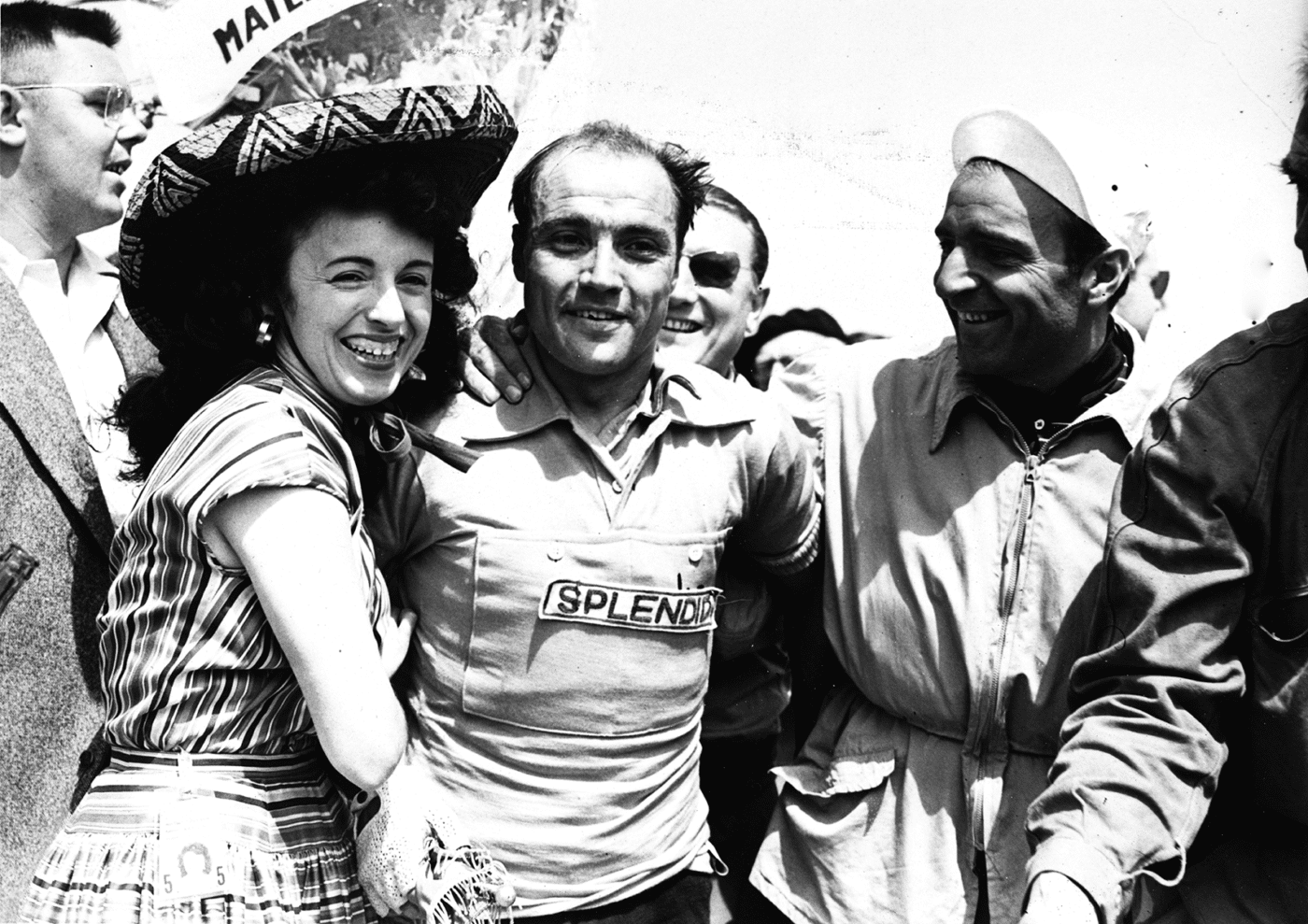
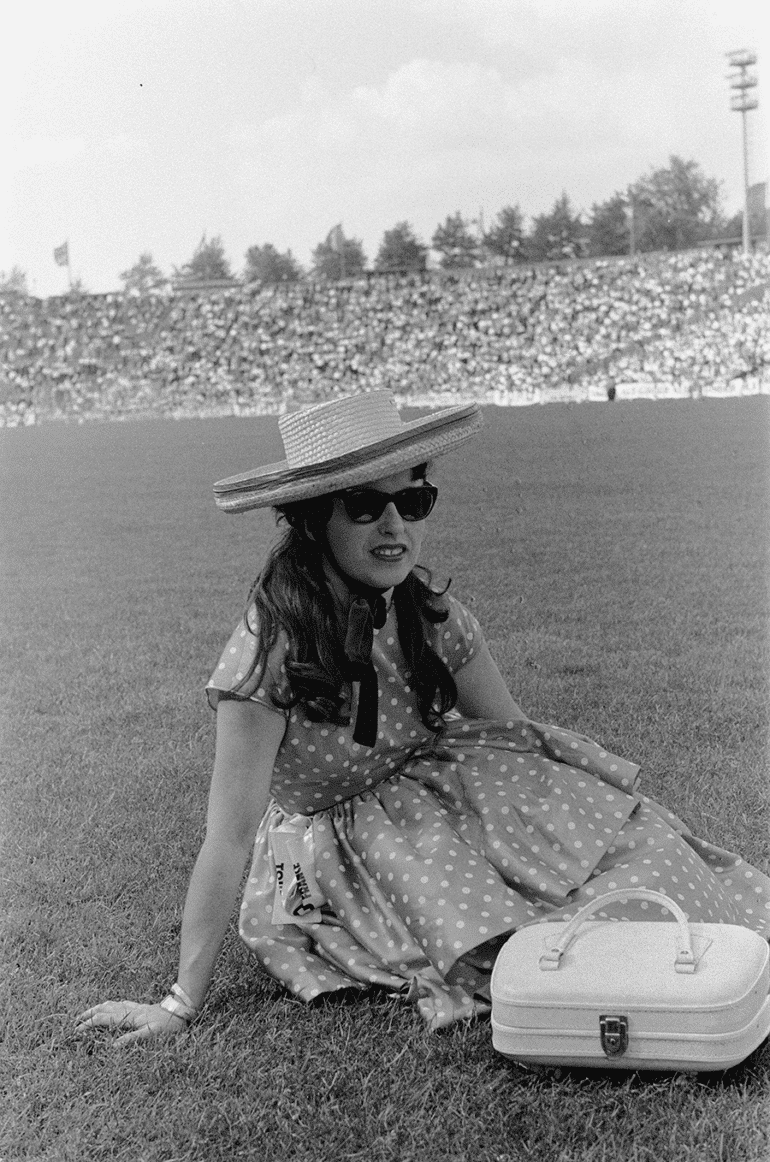
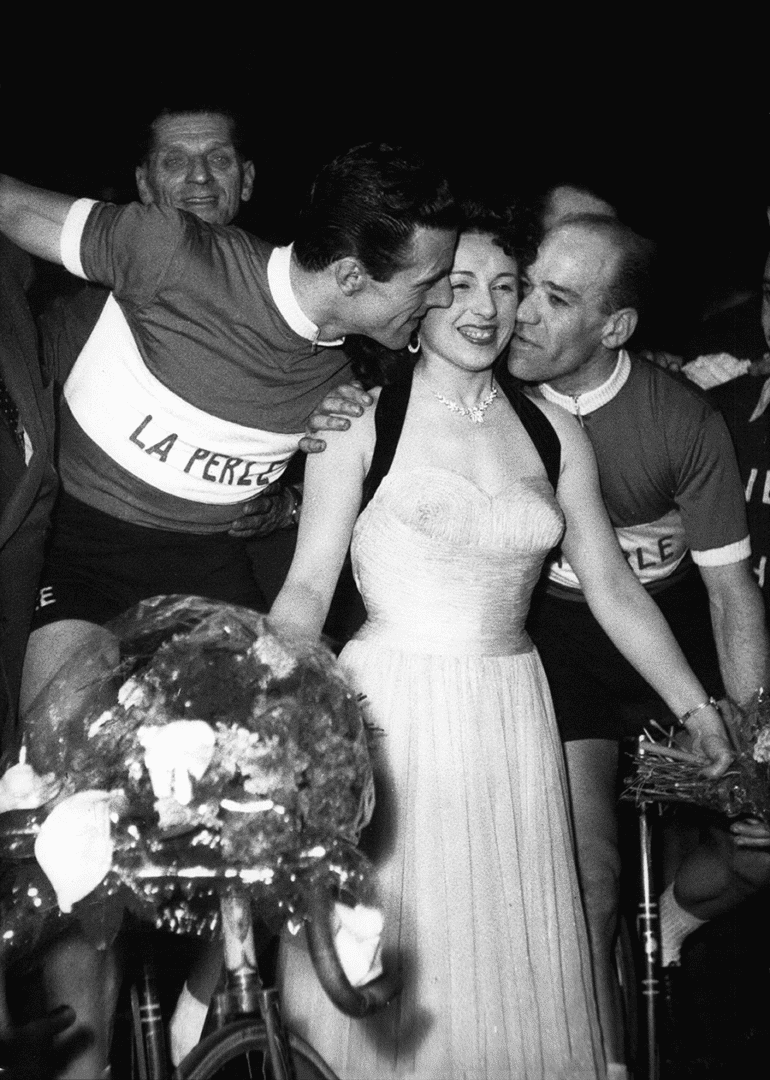
It was Yvette Horner—at least, that was the name painted on the side of the Citroën along with the name of her sponsor. She was wearing a Mexican sombrero over her long, curly dark locks and a voluminous summer dress, which, I soon learned, was her trademark outfit. I also learned that in the decade since she first accepted an invitation to join the publicity caravan Yvette had become the mascot and soundtrack of the Tour de France. Besides preceding every stage of the Tour on the automobile driven by her husband, she was a podium girl presenting prizes to stage winners and race leaders and, every evening in the stage town, Yvette played her accordion for several more hours, as thousands danced to her band’s music.
Her fame was such that she was a household name in France—much like Taylor Swift is in America today. Yvette played more than 2,000 concerts, sold more than 30 million albums and hobnobbed with A-listers. Talking about her heyday in an interview with Le Parisien in 2012, at age 89, she remembered, “I was terribly spoiled. On the Tour, the fans waited for me on the roadsides, shouting, ‘Allez Vivette! Play us “Les Perles de Cristal” [one of her major hits].’ My champion friends Anquetil, Bobet, Geminiani took time out of their rest days to come see me.” Another of Yvette’s most popular tunes was “Mon Tour de France,” which she recorded in 1960 with her musette trio, three male guitarists who wore sharkskin suits and bow ties.
MORE ABOUT HORNER IN THE ISSUE


